The simple weekly routine that prevents most oxygen concentrator breakdowns and warranty claims. Filters, cannulas, batteries & servicing — explained clearly.
Oxygen Concentrator Guide · 2026
How to Maintain Your Oxygen Concentrator: The Complete Australian Care Guide
Most oxygen machine breakdowns — and most rejected warranty claims — come down to one thing: a dirty filter, a neglected battery, or a cannula that should've been replaced weeks ago. None of it takes more than a few minutes a week. Here's exactly what to do, in plain English.
🧽 Filter cleaning made simple
🔋 Battery care that adds years of life
🛡️ Keep your warranty intact
🇦🇺 Genuine parts, Australia-wide
✅ Trusted by 30,000+ Australians
🚚 Free express shipping over $100
🛡️ Best Price Guarantee
↩️ 30-day risk-free
📞 1300 758 613
An oxygen concentrator is a machine you rely on every single day — which is exactly why a few minutes of routine care each week pays off so heavily. Skip it, and you risk reduced oxygen purity, nuisance alarms, a shortened machine lifespan, and — in a lot of cases we see — a warranty claim that gets knocked back because a filter was never cleaned or a non-genuine part was used.
The good news: none of this is complicated. This guide walks through everything you need to know for both home (stationary) and portable oxygen concentrators — filters, humidifier bottles, tubing and cannulas, batteries, and the internal components that eventually need professional attention. Follow it, and your machine will run cleaner, quieter, and for longer.
1Why oxygen machine maintenance actually matters
There are two very practical reasons to stay on top of this, and they both matter.
Your health. A blocked or dirty filter forces your concentrator's compressor to work harder to pull in air, which can reduce the purity of the oxygen it produces and trigger low-purity alarms. A neglected humidifier bottle can harbour bacteria in the very air you're breathing. None of this is dramatic day-to-day, but it adds up — and it's entirely preventable.
Your wallet. Manufacturers build routine maintenance into their warranty terms. Running a machine with a clogged filter, using non-approved batteries, or ignoring a persistent alarm are common reasons a warranty claim gets rejected. A $32–$59 replacement filter is a lot cheaper than an out-of-warranty compressor repair or a sieve bed replacement.
✅ The bottom line: A five-minute weekly routine plus a few scheduled part replacements is genuinely all it takes. We've broken the whole thing down below — and we stock every genuine part you'll need.
2Your 5-minute daily & weekly routine
Before we get into specific parts, here's the quick routine that covers 90% of what matters. Stick this on the fridge.
-
Every time you use it: check your tubing and cannula for kinks, cracks or blockages before switching on
-
Daily: check the humidifier bottle water level (if your setup uses one)
-
Daily: listen for anything unusual — new noises, vibration, or the machine running hotter than normal
-
Weekly: wipe the exterior casing down with a soft cloth dampened in warm, soapy water
-
Weekly: remove and rinse the coarse pre-filter, then let it air dry completely before reinstalling
-
Weekly: confirm the oxygen purity/status indicator is showing green/normal, not flashing or amber
💡 Never reinstall a wet filter. A damp filter restricts airflow and can encourage mould growth inside the housing. Let it dry fully on a clean towel — usually an hour or two in the Australian climate — before it goes back in.
3Cleaning & replacing your filters (the single biggest lever)
Every concentrator we sell — stationary or portable — pulls room air through at least one filter before it gets concentrated into medical-grade oxygen. Keeping that filter clean is the single most impactful thing you can do for your machine's performance and lifespan.
Most machines use a two-stage approach:
| Filter type |
What to do |
How often |
|
Coarse / gross-particle pre-filter (foam or mesh, catches dust and pet hair) |
Remove, rinse in warm soapy water, air dry fully, reinstall |
Weekly — more often in a dusty home or if you have pets |
|
Fine / cabinet filter (fibre or HEPA-style, protects the internal compressor) |
Replace with a genuine filter — these aren't designed to be washed indefinitely |
Every 6 months, or sooner if visibly discoloured |
Signs a filter needs attention right now: visible dust build-up you can see through the mesh, a low-oxygen-purity alert on the display, the machine sounding like it's working harder than usual, or noticeably reduced airflow at the outlet.
⚠️ Never run your concentrator with the filter removed "just for now." It's tempting when you're in a hurry, but unfiltered air shortens the life of the internal compressor and sieve bed dramatically — the two most expensive components in the machine.
Genuine replacement filters for the machines we sell:
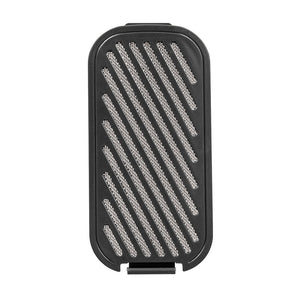
$59.00
Vent Filter Screen
Replacement mesh vent filter to suit most portable oxygen concentrators. Swap in every 6 months as part of routine care.
View Product →
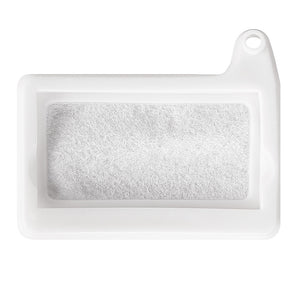
$32.00
Fibre Air Filter
Fine fabric filter that protects the internal compressor. Wash the outer mesh weekly; replace this fibre element twice yearly.
View Product →
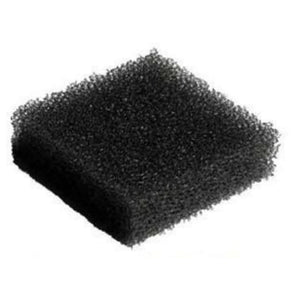
$8.50
CAIRE Eclipse 5 Inlet Filter Foam
Genuine replacement inlet foam for the CAIRE SeQual Eclipse 5. Cheap, quick to swap, and worth doing every 6 months.
View Product →
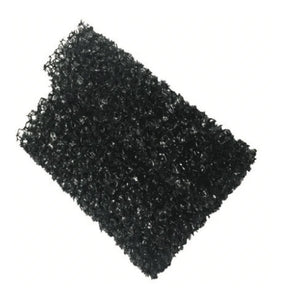
$11.50
CAIRE VisionAire Handle Intake Filter
Genuine intake filter for the CAIRE AirSep VisionAire 5L stationary concentrator. Keep a spare on hand.
View Product →
4Humidifier bottle care (if your setup uses one)
If you're on continuous flow above roughly 2–4 LPM, your specialist may have you running a humidifier bottle to stop the oxygen drying out your nose and throat. It's a small thing, but it's also the part most likely to grow bacteria if it's neglected — so treat it seriously.
-
Only ever fill it with distilled water — tap water leaves mineral scale inside the bottle and encourages bacterial growth
- Wash with warm soapy water every time you refill it
-
Disinfect weekly: soak for 20 minutes in a solution of 3 parts white vinegar to 1 part water, then rinse thoroughly and air dry
-
Replace the bottle entirely once a month — they're inexpensive and not worth pushing past their useful life
-
Always double-check it's screwed on securely before turning the concentrator on — a loose seal means no humidification at all
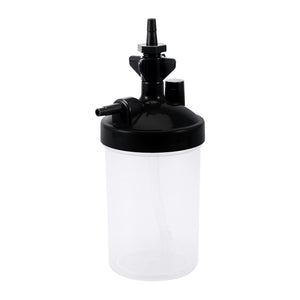
$19.99
Humidifier Bottle
Replacement humidifier bottle to reduce dryness of supplemental oxygen during therapy. Budget for a fresh one monthly.
View Product →
5Tubing, cannula & mask hygiene
Your nasal cannula and tubing sit directly against your skin and airway for hours a day, so this is one area where "clean it and reuse it indefinitely" simply isn't good practice.
⚠️ Don't try to sterilise a cannula back to "like new." The plastic is porous at a microscopic level, and normal home cleaning can't fully remove bacteria once it's established. Wipe it down between uses if you like, but treat it as a consumable — replace it, don't rely on cleaning it indefinitely.
-
Replace your nasal cannula every 2–4 weeks for most users — weekly if you're using oxygen 16+ hours a day or are immunocompromised
- Inspect tubing regularly for kinks, cracks, or yellowing, and replace if you spot any of these
- Wipe the cannula prongs with a clean, damp cloth between cannula changes to remove surface residue
- If a mask irritates your skin, ask about a foam wrap for the tubing rather than tightening it — replace wraps whenever you replace the tubing
- For mask users: wash the mask cushion weekly with mild soap and water, and replace the mask every 1–3 months or sooner if it's cracked or the seal has degraded
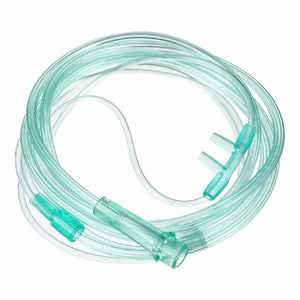
$22.63
6m Adult Nasal Cannula (Kink Resistant)
Soft, non-irritating nasal prongs with an extra-long 6m kink-resistant line. Keep a few spares in the cupboard.
View Product →
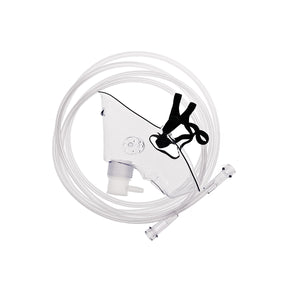
From $4.61
Oxygen Mask With Tubing
Adult and child sizes available. A good option for higher flow rates or when a cannula isn't comfortable.
View Product →
6Battery care for portable concentrators
If you're running a portable oxygen concentrator like the Inogen Rove, Caire FreeStyle Comfort, GCE Zen-O or a Kingon unit, the battery is the part most likely to let you down early if it's not looked after — and Australian conditions (hot cars, direct sun) aren't kind to lithium batteries.
- Use only manufacturer-approved batteries for your specific machine — third-party batteries can void your warranty and, in rare cases, pose a fire risk
- Avoid extreme temperatures: don't leave batteries in a hot car, direct sun, or anywhere below roughly 5°C or above 35°C
- If storing a spare battery for a while, keep it at around 40–50% charge in a cool, dry place — not fully charged and not fully flat
- Avoid regularly running a battery all the way to zero, and avoid leaving it on the charger at 100% for extended periods
- Don't let a battery sit completely unused for more than about 90 days — give it a partial charge cycle periodically
- If you carry two or more batteries, label and rotate them evenly so they age at the same rate
- Keep batteries dry — if one gets wet, don't use it; bag it and contact us or a battery recycling facility
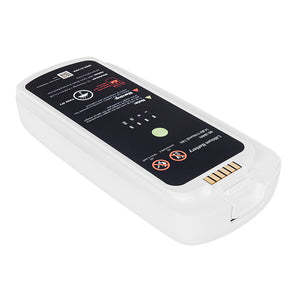
$499.00
Replacement Battery (DJMed Portables)
99.19Wh, 14.8V genuine rechargeable lithium battery to suit DJMed portable oxygen concentrators.
View Product →
$549.00
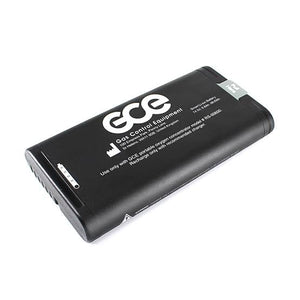
Zen-O Extra Battery (12-cell)
Genuine spare battery to suit the GCE Zen-O portable oxygen concentrator range.
View Product →
7The sieve bed: your machine's long-term lifespan
Inside every concentrator is a "sieve bed" — a column of zeolite material that actually separates oxygen from the nitrogen in room air. It's the heart of the machine, and unlike the filters covered above, it isn't something you clean weekly. It simply wears out over time, typically after roughly 12 months of heavy day-to-day use (longer if the machine is used only part-time).
Most machines are designed to warn you before this becomes a safety issue — you'll typically see an alarm or a reduced-purity indicator well before oxygen output drops meaningfully. That's your cue to book a check rather than wait for a full failure.
💡 Know the difference: the pre-filter and fine filter are user-serviceable — clean and replace these yourself as covered above. The sieve bed and internal compressor are not a DIY job. If your machine is alarming after a fresh filter clean, it's time to call us rather than open the casing.
$399.00
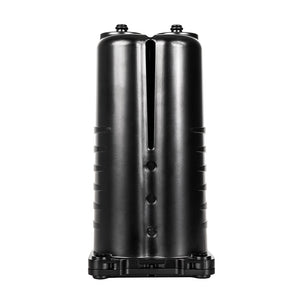
Molecular Sieve Bed (DJMed Portables)
Genuine replacement sieve bed for eligible DJMed portable oxygen concentrators. If you're unsure whether this is the right fix, call us first on 1300 758 613.
View Product →
8Where you put your machine matters
Especially for stationary home concentrators, placement has a real effect on both performance and lifespan.
| Rule |
Why it matters |
| Keep at least 30cm of clear space around the vents on all sides |
Restricted airflow makes the compressor work harder and shortens its life |
| Place on a hard floor rather than thick carpet, or use a stand/tray |
Carpet fibres restrict the underside air intake and get pulled into the filter faster |
| Keep 3+ metres from curtains, direct sun, heaters and pet bedding |
Reduces dust, heat exposure and fire risk near an oxygen-enriched environment |
| Plug directly into a wall outlet — never an extension lead or power board |
Protects the machine's electronics and avoids overload risk |
| Turn the unit off when not in use |
Reduces wear on the compressor and lowers your power bill |
⚠️ Never smoke or use an open flame anywhere near an oxygen concentrator. Oxygen-enriched air significantly increases fire risk. Keep the machine at least 3 metres from cigarettes, candles, gas stoves and open heaters, and let your energy provider know you have oxygen equipment running at home.
9Your full maintenance schedule at a glance
| Task |
Frequency |
| Check tubing/cannula for kinks or cracks |
Every use |
| Check humidifier bottle water level |
Daily |
| Wipe exterior casing with a damp soft cloth |
Weekly |
| Remove, rinse and dry the coarse pre-filter |
Weekly |
| Disinfect humidifier bottle (vinegar soak) |
Weekly |
| Replace nasal cannula |
Every 2–4 weeks |
| Replace humidifier bottle |
Monthly |
| Check battery health and rotate spares |
Monthly |
| Replace the fine/fabric filter cartridge |
Every 6 months |
| Replace mask (if used) |
Every 1–3 months |
| Sieve bed check / professional service |
Annually |
This is a general guide — always follow the specific schedule in your machine's user manual, and check with us if you're unsure which filter your model uses.
10Warning signs it's time to call us
Most issues are preventable with the routine above — but here's what to watch for, and when to stop troubleshooting and get in touch.
- An alarm or low-purity warning that persists after cleaning the filter and checking the tubing
- A burning smell, grinding noise, or the casing running noticeably hot
- A battery that no longer holds anywhere near its original runtime
- Visibly cracked, yellowed or brittle tubing or cannula that's irritating your skin
- Reduced oxygen output despite a clean, correctly-fitted filter
✅ Keep your warranty intact: most manufacturer warranties expect routine maintenance and genuine parts. Keep your purchase receipt, buy replacement filters, cannulas and batteries from an authorised supplier, and if anything seems off, call us on 1300 758 613 before it becomes a bigger — and more expensive — problem.
This guide covers the machine itself. If you're still deciding which concentrator to buy, our guide to choosing an oxygen machine and our pulse flow vs continuous flow guide are a good place to start. Heading away? See our complete guide to travelling with an oxygen concentrator.
11Frequently asked questions
How often should I clean my oxygen concentrator filter?
Clean the coarse pre-filter weekly by rinsing it in warm, soapy water and letting it air dry completely before reinstalling. The finer filter cartridge underneath should be fully replaced roughly every 6 months, or sooner if it looks discoloured or you notice reduced airflow.
Can I use tap water in my humidifier bottle?
No — always use distilled water. Tap water contains minerals that build up inside the bottle over time and can encourage bacterial growth. Wash the bottle every refill, disinfect it weekly with a diluted white vinegar soak, and replace it monthly.
How often should I replace my nasal cannula?
Most people should replace their nasal cannula every 2 to 4 weeks. If you're using oxygen for 16+ hours a day, or you're immunocompromised, replacing it weekly is a safer habit. Cannulas can't be fully sterilised at home, so treat them as a consumable rather than something to clean indefinitely.
Does skipping maintenance void my warranty?
It can. Most manufacturer warranties assume routine maintenance has been followed and that genuine, approved parts and batteries have been used. Running a machine with a clogged filter or a third-party battery is one of the more common reasons a warranty claim gets rejected. Keep your receipts and use authorised replacement parts to protect your cover.
Can I clean and reuse my nasal cannula instead of replacing it?
You can wipe it down between changes, but you shouldn't rely on cleaning alone to keep using the same cannula indefinitely. The plastic is porous at a microscopic level, so home cleaning can't fully remove bacteria once it builds up. Replace it every 2–4 weeks as a rule.
How long do portable oxygen concentrator batteries last, and how do I look after mine?
With good care, most portable concentrator batteries perform well for a few years of regular use. Avoid extreme heat (never leave one in a hot car), avoid running it flat regularly, store spares at around 40–50% charge, and use only manufacturer-approved batteries — third-party batteries can shorten lifespan and void your warranty.
Is it okay to place my oxygen concentrator on carpet?
It's better to avoid it if you can. Thick carpet restricts the airflow your machine draws in from underneath, meaning the filter clogs faster and the compressor works harder. A hard floor, or a simple stand or tray, is a better long-term choice — just make sure there's clear space around all the vents.
Where can I buy genuine replacement parts for my oxygen concentrator?
We stock genuine filters, cannulas, humidifier bottles, sieve beds and batteries for the machines we sell, with free express shipping over $100 and same-day dispatch before 5pm. Browse our Oxygen Concentrator Accessories collection, or call us on 1300 758 613 if you're not sure which part fits your model.
Need a genuine part, or think it's time for a service?
Call our team on 1300 758 613. We've helped 30,000+ Australians keep their oxygen equipment running safely and reliably — and we stock the genuine parts to prove it. Free express shipping, Best Price Guarantee, and a 30-day risk-free trial on every purchase.
Important: This guide provides general maintenance information only and does not replace the specific user manual for your machine — always follow your manufacturer's instructions first, as cleaning steps and replacement intervals vary by model. Oxygen concentrators are medical devices; any change to your oxygen therapy should be discussed with your treating doctor or respiratory specialist. Never attempt to service internal components (such as the compressor or sieve bed) yourself — contact us or a qualified technician. This article does not constitute medical advice. Rapid Medical Supplies provides equipment and genuine parts only.


